
Client Challenge
Where they were stuck
- Metrics lived in three tools and rarely agreed with each other.
- Every board meeting started with an argument about the numbers.
- Product decisions were slower than the market required.
A calm, decision-grade view of a business that used to live in spreadsheets.
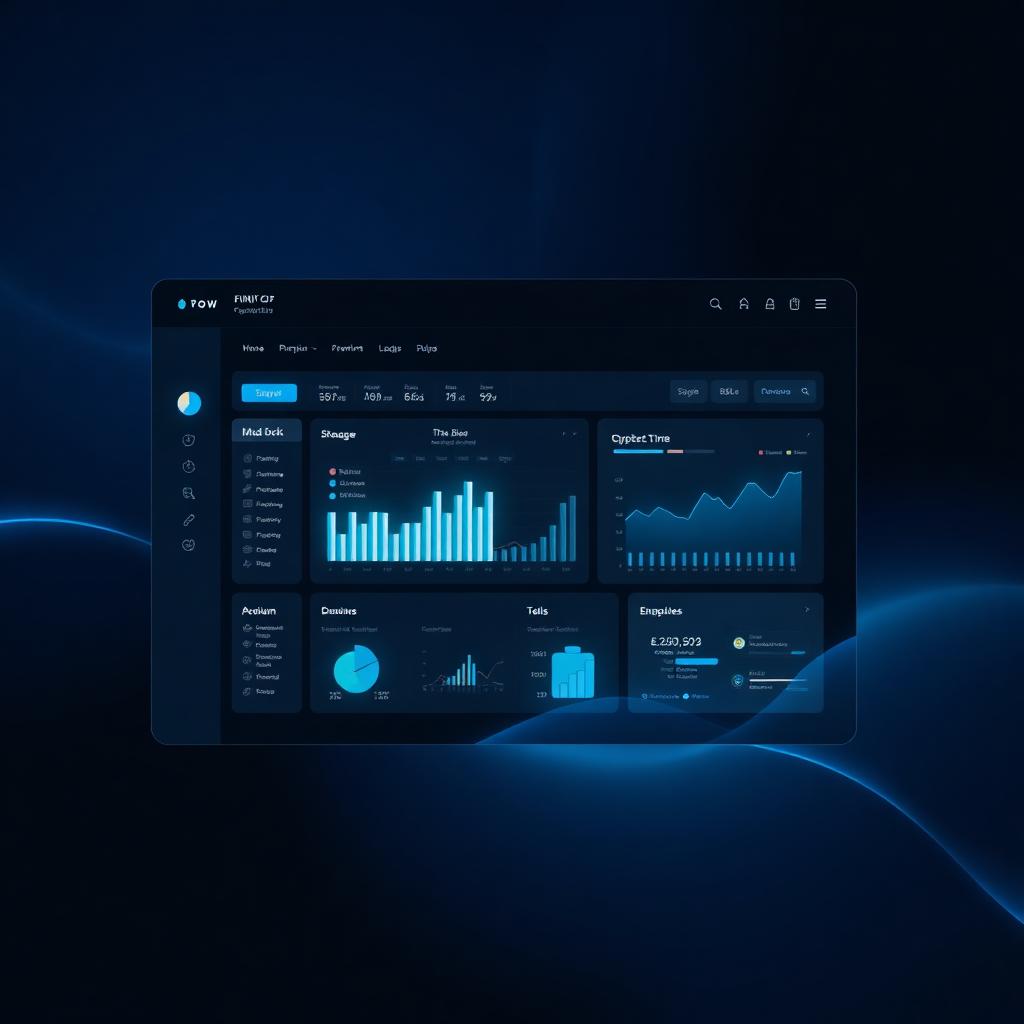
A growing fintech had a strong product and a foggy view of its own business. Leadership decisions were being made from stitched-together spreadsheets that were always a week out of date. We built a decision-grade analytics dashboard the executive team actually opens every morning.
The company we worked with was making excellent decisions on foggy data. Every board meeting began with a debate about which spreadsheet was correct. This is the story of how a decision-grade analytics layer replaced the debate with the actual conversation the executive team should have been having all along.
Product analytics said one number. Finance said another. The risk team quietly kept a third. Each was correct in its own frame. None of them agreed.
This is not unusual at growth stage. It becomes existential the moment investors start asking harder questions.
We refused to build anything until finance, product and risk sat in a room and agreed on the definition of every core metric. That single conversation, done properly, saved months of rework.
"We refused to build anything until finance, product and risk agreed on every metric."
The underlying data model became the source of truth. Every dashboard, every export, every investor snapshot reads from it. The executive view sits on top, designed for decisions rather than data.
We set a date, trained every team, and cut the legacy spreadsheets on that date. It was uncomfortable for a week. It has been unquestionably right ever since.
The clearest signal that the project has landed is the shape of the Monday leadership meeting. It no longer opens with a debate about numbers. It opens with a decision.
Good analytics is not more charts. It is fewer arguments. This dashboard has earned its place in the executive team's morning — and that is the only measure of success worth having.
Agreed metric definitions with finance, product and risk in one room.
Built the underlying data model and tested it against historical numbers.
Shipped the executive dashboard first, then role views on top.
Trained every team and retired the legacy spreadsheets on a set date.
The executive team now decides in the same meeting instead of asking for data.
Investor updates read from a single, trusted source of truth.
Risk and revenue trends surface early, not at month-end.
"Our Monday leadership meeting used to be about the numbers. Now it is about the decisions. That is the whole difference."
Book a working session with our senior team — we'll map your problem and a path to shipping in 30 minutes.